
Rebrand or Refresh? Understanding What Your Business Actually Needs
Businesses rarely arrive at a conversation about branding without a reason. Sometimes the motivation is straightforward: the website looks dated, the marketing materials feel inconsistent, or the logo hasn’t aged particularly well. Other times, the concern is harder to define. The business has grown, its customers have changed, or the company has become something more sophisticated than the brand it originally created. Leadership recognizes that the existing identity no longer feels right, but identifying what actually needs to change is another matter.
It’s tempting to approach these challenges as design problems. A new logo, a more contemporary color palette, or an updated website can create a sense of progress because the changes are immediate and visible. But a more polished appearance doesn’t necessarily resolve an underlying issue with positioning, messaging, or customer perception. Conversely, a business with a strong market position and meaningful brand recognition may not benefit from a complete reinvention simply because its visual identity could use refinement.
This is why we believe the first step in any meaningful branding engagement should be understanding the nature of the problem. Before deciding whether to refresh or rebrand, we need to understand what the business has become, how its audience perceives it, and whether the current identity is helping or hindering its objectives.
What’s the Difference Between a Brand Refresh and a Rebrand?
A brand refresh generally involves evolving the way an existing business presents itself while preserving the strategic foundation that continues to serve it. The company may retain its name, positioning, and core identity while refining typography, color, imagery, messaging, and other elements of its visual system. Depending on the business, a refresh might also include a substantial website redesign, updated marketing collateral, or a more consistent approach to creative direction.
A rebrand goes deeper into the assumptions on which the brand was built. If the company’s audience, offering, market position, or underlying purpose has changed significantly, updating the appearance alone may not be enough. The business may need to reconsider how it defines its value, differentiates itself from competitors, communicates with customers, or organizes its services. A new visual identity often follows that work, but design is the expression of those strategic decisions rather than a substitute for them.
There is also considerable room between the two. A company might need to refine its positioning while retaining a recognizable identity, or it might benefit from a significant visual transformation without changing the fundamental promise it makes to customers. In practice, the distinction isn’t determined by how dramatically the logo changes. It’s determined by which parts of the brand need to be reconsidered and what the business is trying to accomplish.
| What changed? | Where to start |
|---|---|
| The positioning still fits, but the website and collateral feel dated or inconsistent. | Refresh the visual identity and apply it across the places customers see it most. |
| The audience, offer, or competitive landscape has shifted. | Revisit positioning and messaging first, then decide how much of the identity needs to change. |
| The company needs a different position in the market, and its identity reinforces the old perception. | Scope a rebrand that connects positioning, messaging, identity, and rollout. |
When the Business Is Stronger Than the Brand Looks
One of the more interesting branding challenges occurs when the company has developed beyond the identity it presents to the market. The business might be doing excellent work, providing a thoughtful customer experience, and earning a strong reputation through referrals, yet the impression it makes online tells a less compelling story. In these situations, there’s often nothing fundamentally wrong with the company’s direction. The brand simply hasn’t kept pace with its growth.
This disconnect can be particularly important for businesses operating in premium markets. When a prospective customer is evaluating a high-end homebuilder, an interior design firm, or a luxury consumer product, the decision often involves significant consideration. People want to understand the quality of the work, the experience they can expect, and whether the company is credible enough to justify their investment. Long before they speak to anyone, they’re using the business’s website, photography, messaging, and portfolio to form those judgments.
A brand refresh can address that gap without sacrificing the recognition the company has already established. The objective is to create an identity and communication system that better reflects the actual business, while preserving the qualities that made it successful in the first place. Rather than starting over, the work involves understanding what should remain familiar and what needs to evolve.
AllHaus: Creating a Brand Experience That Reflects the Work
Our engagement with AllHaus illustrates this kind of opportunity. As a high-end remodeling company, AllHaus had built its business around craftsmanship and a thoughtful approach to client relationships. The quality of its projects was evident, but its existing brand presentation and website weren’t consistently communicating that level of sophistication.
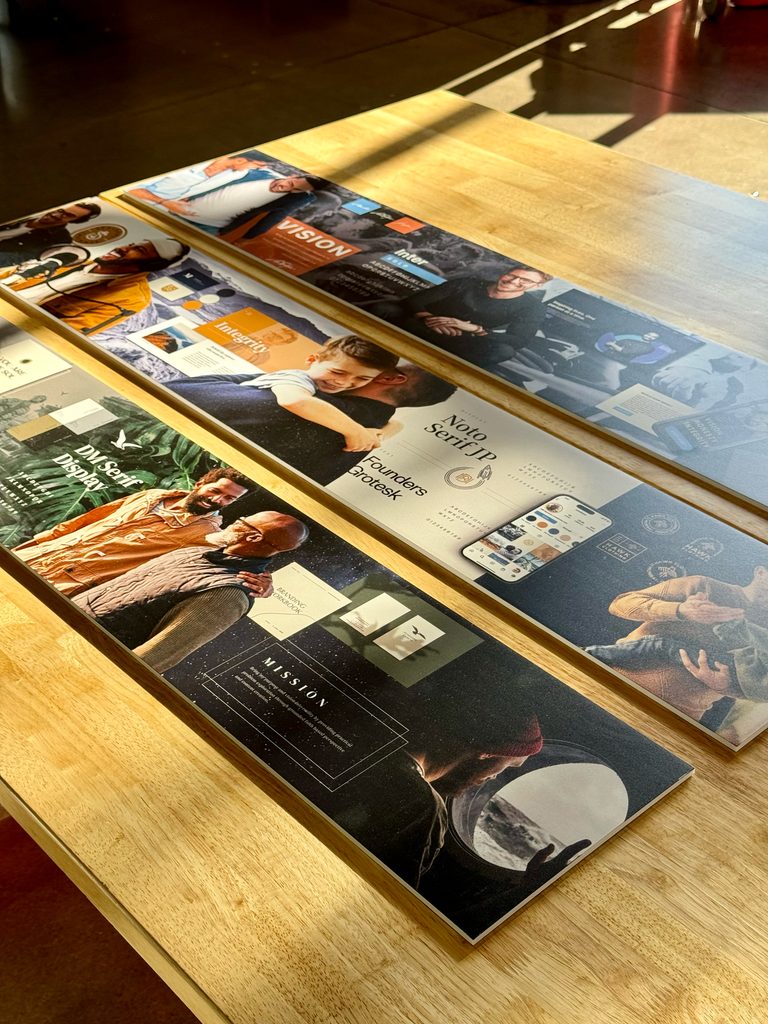
The website overhaul was the largest component of our work, but we approached it as part of a broader brand experience rather than an isolated digital project. We refined the brand identity and developed updated marketing collateral, establishing a more cohesive visual direction that could carry across the different places clients encountered the business. That work provided a stronger foundation for the website, where the architecture, imagery, messaging, and presentation of completed projects needed to communicate the company’s capabilities.

The result of the engagement was a more unified brand presentation across its website and supporting materials. Importantly, the purpose wasn’t to transform AllHaus into a different kind of company or invent a new position in the market. It was to communicate the business more effectively and create an experience that better reflected its existing work and ambition.
We think this illustrates something important about branding: significant improvements don’t always require a dramatic strategic departure. Sometimes the greatest opportunity lies in recognizing the qualities that already make a business valuable and finding a better way to communicate them.
When a Refresh Doesn’t Solve the Real Problem
There are circumstances where preserving the existing brand foundation becomes limiting rather than beneficial. A company may have entered a substantially different market, developed a new business model, or discovered that its current positioning no longer reflects the customers it wants to serve. In those cases, refining the visual presentation may improve first impressions without addressing the disconnect beneath them.
Consider a contractor that originally built its reputation around general residential work but has gradually shifted toward a highly specialized luxury offering. The business now competes on expertise, project complexity, craftsmanship, and the quality of its client experience. If its positioning still communicates a broad, price-driven service, it may continue attracting inquiries that are poorly aligned with the work it actually wants. New photography and an updated logo could make the company appear more polished, but they wouldn’t necessarily change how the market understands its offering.
That kind of situation calls for a more fundamental evaluation of the brand strategy. The business needs to understand the expectations of its ideal customers, how competing companies position themselves, and what genuinely differentiates its approach. Those findings may lead to changes in messaging, service architecture, audience focus, or the overall brand platform before the creative team begins developing a new identity.
We don’t see this as a reason to automatically recommend a full rebrand. In some cases, strategic repositioning can be accomplished while retaining much of the existing visual identity. The important thing is to identify the level at which the problem exists and develop a solution proportionate to it.
How We Approach the Decision
A productive branding process begins with discovery rather than design preferences. We want to understand how the company sees itself, how customers experience it, and where those perspectives may differ. That means examining the business’s objectives, competitive environment, audiences, existing marketing materials, and the points where prospective customers interact with the brand.
Those conversations frequently reveal challenges that aren’t obvious from the surface. Leadership may believe the company needs a more contemporary identity when the underlying issue is that its messaging no longer explains the offering clearly. Or the brand strategy may be sound, but the website, sales collateral, and campaign creative have developed independently over time, leaving the company with an inconsistent presentation.
Once the underlying challenges are understood, creative exploration becomes more focused. Decisions about typography, imagery, color, messaging, and design direction can be evaluated against a strategic purpose rather than individual preference. It’s no longer a conversation limited to whether someone likes a particular aesthetic. The more useful question is whether the proposed direction communicates the right qualities to the right audience and supports what the business needs to accomplish.
This approach also helps preserve valuable brand equity. Recognition, familiarity, and trust can take years to establish. If those associations remain relevant, there should be a compelling reason before discarding them. On the other hand, preserving an identity simply because it’s familiar can be equally unhelpful when it no longer reflects the business. Good brand strategy requires the judgment to know which elements are worth protecting and which ones are preventing progress.
The Brand Has to Work Beyond the Identity
Whether the appropriate solution is a refresh or a complete rebrand, the work doesn’t end when a new logo and set of guidelines are approved. A brand becomes meaningful through the experiences people have with it, and those experiences extend well beyond the identity itself.
For a luxury homebuilder, the website, portfolio photography, client presentations, and project communications may have just as much influence on perception as the logo. For a consumer brand, packaging, product storytelling, advertising, and ecommerce need to communicate a consistent idea. In hospitality, the relationship between digital marketing and the actual guest experience is especially important because customers form expectations before they ever arrive.
These are the environments where the brand strategy has to prove itself. If the company adopts a more premium position but continues using inconsistent photography and unclear messaging, the experience remains disconnected. If the website is redesigned without considering how customers evaluate the business, the result may be visually appealing without being particularly effective.
That’s why we believe branding should be connected to the broader creative and marketing decisions that shape how a business is experienced. An identity system gives the company a foundation, but the value comes from translating that foundation into work that feels coherent, credible, and relevant to the people it wants to reach.
Making the Right Change for the Right Reason
Deciding whether to refresh or rebrand isn’t primarily a question of how different the business wants to look. It’s a question of whether the current brand accurately communicates the business’s value, supports its objectives, and reflects where the company is headed.
For some organizations, that means refining what already exists and creating a stronger system around it. For others, the work begins with a more substantial reconsideration of positioning, audience, or messaging. Either direction can be appropriate, provided the decision is grounded in an understanding of the business rather than a desire for something new.
At Tigrett Agency, we approach branding as a strategic and creative process because we believe both are necessary to create work that matters. We want the identity to be distinctive and well-crafted, but we also want the decisions behind it to make sense for the business. The objective is to build a brand experience that people can recognize, understand, and trust, rather than simply deliver a collection of attractive design assets.
If your business has evolved, start with one question: Where is the gap costing you the most trust today? The answer can help you decide whether to start with positioning, the identity, or how the brand shows up on the website.
Let’s Talk About Where Your Brand Goes Next
Explore our capabilities or see how we approached the AllHaus brand refresh and website overhaul.